









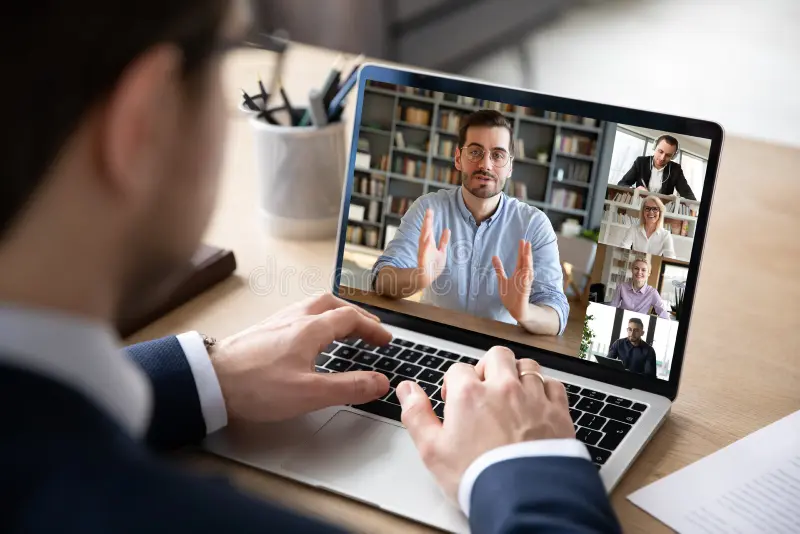
What Remote Appointment Setters Are and Why They Matter
Remote appointment setters are specialized sales professionals who work outside a traditional office environment to schedule qualified meetings between potential clients and sales representatives. They operate as the first human layer of engagement in many modern sales pipelines, especially in digital-first and global organizations. The role of remote appointment setters has expanded significantly as companies shift toward distributed teams and remote work structures. Businesses today rely on them to maintain consistent lead flow without the limitations of geographic hiring. Their importance continues to grow because they help organizations reduce friction in the early stages of the sales process. Many companies across the USA, UK, Canada, Australia, UAE, and Singapore actively integrate remote appointment setters into their growth strategies. This role is no longer optional for scaling businesses but has become a core component of efficient sales development systems.
Remote appointment setters are often responsible for turning cold or warm leads into structured sales conversations. They act as the bridge between marketing-generated leads and high-value closing opportunities. Their work ensures that sales teams spend more time closing deals rather than searching for prospects. In competitive industries, speed and consistency in booking appointments can directly influence revenue outcomes. This makes remote appointment setters essential for businesses that rely on predictable pipeline growth. As digital communication tools evolve, their ability to connect with prospects across multiple channels becomes even more valuable.
Core Responsibilities of Remote Appointment Setters
Remote appointment setters handle a wide range of tasks that directly influence the efficiency of a sales organization. Their primary responsibility is to initiate contact with potential leads and qualify their interest level. They engage prospects through email, phone calls, social media, and messaging platforms. Once interest is confirmed, they schedule meetings between the prospect and the appropriate sales closer. They also ensure that all necessary lead information is accurately recorded in CRM systems. This allows sales teams to prepare effectively before each meeting. Their work requires precision, consistency, and strong communication skills.
In addition to scheduling appointments, remote appointment setters also play a key role in maintaining data integrity within sales pipelines. They update records, track engagement history, and ensure that no lead is left unattended. They often collaborate closely with marketing teams to align messaging strategies. Their responsibilities extend beyond simple booking tasks and include nurturing early-stage leads. Many organizations rely on them to maintain daily outbound activity levels that keep pipelines active and healthy.
Key responsibilities include:
-
Conducting outbound outreach through calls and digital communication
-
Qualifying leads based on predefined criteria
-
Booking meetings for sales representatives
-
Updating CRM systems with accurate data
-
Following up with prospects who show interest
-
Coordinating schedules across multiple time zones
-
Supporting lead nurturing efforts through consistent engagement
These responsibilities highlight how remote appointment setters contribute directly to revenue generation and pipeline stability.
How Remote Appointment Setters Fit Into the Sales Funnel
Remote appointment setters play a critical role in the top and middle stages of the sales funnel. They are primarily responsible for transforming raw leads into qualified opportunities ready for sales engagement. At the top of the funnel, they interact with prospects who may have only shown initial interest or engaged with marketing content. As they move prospects down the funnel, they help identify which leads are worth pursuing further. This filtering process ensures that sales teams focus their energy on high-quality opportunities. Without remote appointment setters, sales teams often become overloaded with unqualified leads.
They also serve as a stabilizing force in maintaining consistent pipeline flow. Their daily outreach activities ensure that there is always movement within the funnel. They bridge the gap between marketing campaigns and direct sales conversations. This alignment helps organizations avoid bottlenecks in lead conversion. Remote appointment setters also collaborate with sales development representatives to ensure continuity in messaging. Their role is essential in creating a seamless transition from prospecting to closing stages.
Benefits of Using Remote Appointment Setters
Organizations that integrate remote appointment setters into their operations experience multiple advantages. One of the most significant benefits is cost efficiency, as remote teams eliminate the need for physical office space and localized hiring. Businesses also gain access to a global talent pool, allowing them to hire skilled professionals regardless of location. This expands the quality and diversity of sales talent available to the organization. Remote appointment setters also improve productivity by focusing exclusively on scheduling and lead qualification tasks.
Another key advantage is scalability. Companies can quickly increase or reduce team size based on demand without lengthy hiring cycles. This flexibility is especially useful for seasonal campaigns or rapid expansion efforts. Remote appointment setters also contribute to faster pipeline development by maintaining consistent outreach activity. Their presence allows sales teams to operate more efficiently and close deals at a higher rate.
Benefits include:
-
Reduced operational and hiring costs
-
Access to global talent across time zones
-
Faster lead qualification and appointment booking
-
Increased sales team productivity
-
Scalable workforce adjustments
-
Improved pipeline consistency
-
Enhanced customer engagement rates
These advantages make remote appointment setters a strategic asset for modern sales organizations.
Skills and Qualities of Effective Remote Appointment Setters
Successful remote appointment setters possess a unique combination of communication, organization, and sales skills. Strong verbal and written communication is essential for engaging prospects effectively. They must be able to explain value propositions clearly and concisely. Time management skills are also critical because they often handle multiple leads simultaneously. Discipline and self-motivation are necessary since they work independently in remote environments.
They also need strong emotional intelligence to handle objections and rejection professionally. The ability to remain persistent without being aggressive is a key trait. Familiarity with CRM systems and sales tools is another important requirement. Many remote appointment setters also develop research skills to better understand target audiences. Adaptability is crucial because they often work across different industries and markets.
Essential qualities include:
-
Strong communication abilities
-
High organizational discipline
-
CRM and sales tool proficiency
-
Emotional resilience
-
Research and analytical skills
-
Adaptability to different markets
-
Self-motivation in remote environments
These skills ensure that remote appointment setters can consistently perform at a high level.
Tools and Technology Used by Remote Appointment Setters
Remote appointment setters rely heavily on digital tools to perform their daily tasks efficiently. CRM platforms are at the core of their workflow, allowing them to track leads and manage pipelines. Communication tools such as VoIP systems, email platforms, and messaging apps enable seamless interaction with prospects. Scheduling tools help automate appointment booking and reduce coordination errors. Automation software supports repetitive outreach tasks, improving productivity.
Data enrichment tools also play a significant role in improving lead quality. These tools provide additional insights about prospects, helping setters prioritize high-value opportunities. Analytics dashboards allow teams to monitor performance and identify areas for improvement. The combination of these tools creates a structured and efficient sales ecosystem.
Common tools include:
-
CRM systems for pipeline management
-
Email automation platforms
-
VoIP calling systems
-
Scheduling and calendar tools
-
Lead enrichment software
-
Sales analytics dashboards
These technologies empower remote appointment setters to operate effectively in fast-paced sales environments.
Industries That Benefit Most from Remote Appointment Setters
Many industries rely on remote appointment setters to improve their sales efficiency. SaaS companies are among the biggest users due to their subscription-based sales models. Real estate businesses also benefit from structured appointment scheduling. Financial services and insurance providers use them to manage high volumes of client inquiries. Healthcare and telemedicine organizations rely on appointment setters to coordinate consultations.
E-commerce and B2B service providers also use remote appointment setters to streamline customer acquisition. Consulting firms depend on them to schedule discovery calls with potential clients. These industries share a common need for consistent lead engagement and conversion support.
Industries benefiting include:
-
SaaS and software companies
-
Real estate services
-
Financial and insurance sectors
-
Healthcare and telemedicine
-
E-commerce businesses
-
Consulting and professional services
The versatility of remote appointment setters makes them valuable across multiple sectors.
Hiring Remote Appointment Setters: What Businesses Should Look For
Hiring the right remote appointment setters requires careful evaluation of skills and experience. Businesses should prioritize candidates with proven outbound sales experience. Language proficiency is important, especially when targeting global markets. Familiarity with industry-specific sales cycles can significantly improve performance. Candidates should also demonstrate strong organizational and communication abilities.
Cultural adaptability is another important factor when working with global teams. Remote appointment setters must be able to adjust their communication style based on different regions. Reliability and consistency are essential for maintaining daily outreach targets. Businesses should also assess candidates’ ability to work independently without constant supervision.
Hiring considerations include:
-
Outbound sales experience
-
Strong communication skills
-
Industry knowledge
-
Cultural adaptability
-
CRM proficiency
-
Self-discipline and reliability
Careful selection ensures long-term success in remote appointment setting roles.
Remote Appointment Setters vs. In-House Teams
Remote appointment setters and in-house teams differ in structure, cost, and flexibility. In-house teams typically require higher operational expenses due to office space and local hiring costs. Remote teams offer more flexibility and access to global talent pools. Performance management in remote setups often relies on digital tracking systems. In contrast, in-house teams may benefit from direct supervision and immediate collaboration.
Remote appointment setters also provide advantages in scalability. Businesses can quickly expand or reduce team size based on demand. Time zone coverage is another benefit of remote teams, allowing for continuous outreach activity. In-house teams may be limited by local working hours.
Outsourcing Remote Appointment Setters for Business Growth
Outsourcing remote appointment setters has become a popular strategy for companies seeking rapid growth. It allows businesses to access trained professionals without long recruitment processes. Outsourced teams often come with established systems and workflows. This reduces onboarding time and accelerates productivity. Companies can integrate outsourced appointment setters directly into their existing sales structure.
Outsourcing also supports global expansion by providing access to multilingual talent. Businesses can maintain consistent outreach across different regions. This approach is particularly useful for companies scaling into new markets.
Performance Metrics for Remote Appointment Setters
Tracking performance is essential for optimizing remote appointment setter productivity. Common metrics include the number of appointments booked per day or week. Conversion rates from lead to appointment are also important indicators. Show-up rates help measure appointment quality. Lead response time is another critical metric.
Additional performance indicators include CRM data accuracy and outreach efficiency. These metrics help businesses identify strengths and areas for improvement.
Challenges in Managing Remote Appointment Setters
Managing remote appointment setters comes with several challenges. Coordinating across multiple time zones can be complex. Maintaining consistent communication is also important. Ensuring data accuracy in CRM systems requires continuous monitoring. Training remote teams effectively can take time and structured processes.
Despite these challenges, proper systems and tools can significantly reduce operational difficulties.
Best Practices for Maximizing Remote Appointment Setters
Businesses can improve performance by implementing clear communication frameworks. Structured scripts help maintain messaging consistency. Continuous training ensures skill development over time. Regular performance reviews provide accountability. Automation tools should be used without losing personalization.
Strong integration between sales and marketing teams is also essential for success.
Global Opportunities for Remote Appointment Setters
Remote appointment setters are in high demand across global markets including the USA, UK, Canada, Australia, UAE, and Singapore. These regions are experiencing rapid digital sales transformation. Businesses are increasingly adopting remote-first sales strategies. Multilingual capabilities further enhance global outreach potential. Time zone differences also allow for continuous sales activity.
Future of Remote Appointment Setters in Sales Development
The future of remote appointment setters is closely tied to automation and AI integration. While technology will streamline repetitive tasks, human communication will remain essential. Hybrid models combining automation and human outreach are expected to grow. Remote sales teams will continue to expand across industries. Specialization in outbound sales roles will also increase.
Frequently Asked Questions
What are remote appointment setters responsible for?
Remote appointment setters are responsible for contacting leads and scheduling sales meetings for closers.
Do remote appointment setters work with global clients?
Yes, they often work across international markets including the USA, UK, Canada, Australia, UAE, and Singapore.
What skills are most important for remote appointment setters?
Communication, organization, CRM knowledge, and persistence are key skills.
Are remote appointment setters effective for scaling sales?
Yes, they help maintain consistent pipeline growth and improve sales efficiency.
What industries use remote appointment setters the most?
SaaS, real estate, finance, healthcare, and consulting industries are top users.
Takeaway
Remote appointment setters have become a foundational element in modern global sales strategies, enabling businesses to maintain consistent pipeline growth while reducing operational complexity. Their ability to work across time zones, handle lead qualification, and schedule high-value meetings makes them essential for companies aiming to scale efficiently. Organizations that integrate remote appointment setters into their sales systems gain a competitive advantage in speed, reach, and cost efficiency. As digital transformation continues across industries, their role will only become more critical in driving predictable revenue growth and sustainable business expansion.