









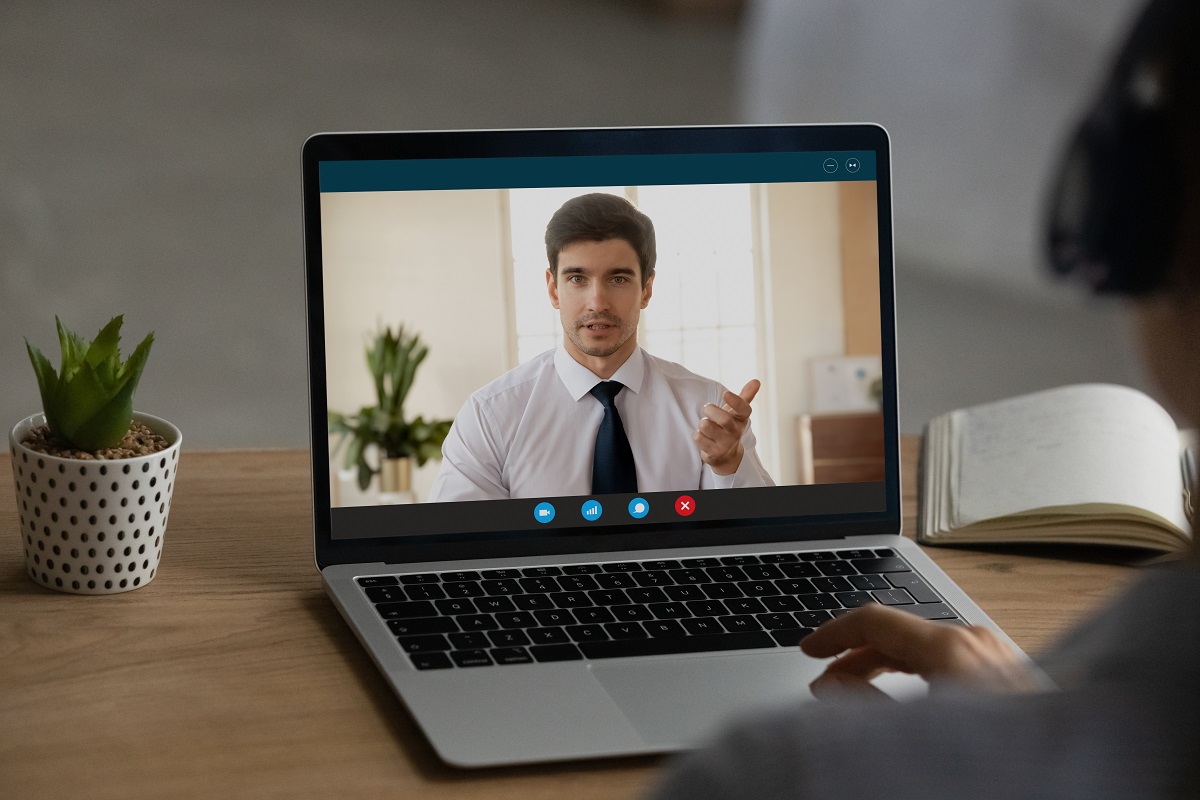
Understanding High Ticket Remote Closing Jobs
High ticket remote closing jobs refer to remote sales roles where professionals close high-value deals through phone calls, video calls, or online communication channels. These roles are centered around selling premium products or services that often range from thousands to tens of thousands of dollars per transaction. Unlike traditional sales jobs, the entire closing process is conducted remotely, allowing closers to work from anywhere with a stable internet connection. Businesses rely heavily on these roles because high-value offers typically require skilled communicators who can guide prospects through complex decision-making processes. The demand for these roles has grown significantly due to the rise of digital coaching programs, SaaS platforms, and online education businesses. Remote closers often work closely with marketing teams and appointment setters to receive pre-qualified leads. This structure allows them to focus entirely on converting prospects into paying clients.
The ecosystem surrounding high ticket remote closing jobs is built on performance and communication excellence. Companies invest in closers because a single successful deal can generate substantial revenue. As a result, these roles often come with commission-based compensation models that reward performance heavily. Remote closers are expected to understand not just the product but also the emotional and financial motivations of potential buyers. The role requires adaptability since each call can involve different industries and customer profiles. Success in this field is driven by consistency, discipline, and the ability to connect with people virtually. It is one of the most dynamic roles in modern remote work environments.
Core Responsibilities of a Remote High Ticket Closer
The responsibilities in high ticket remote closing jobs extend far beyond simply persuading someone to buy. Closers are expected to guide potential clients through a structured conversation that uncovers their needs, goals, and pain points. They typically handle scheduled sales calls that come from inbound marketing campaigns or appointment setters. Each call requires careful listening to ensure the solution being offered aligns with the prospect’s expectations. Communication is highly consultative, meaning the focus is on helping rather than pushing a sale.
Closers also manage multiple stages of the sales pipeline and must keep detailed records of conversations. They often use CRM systems to track progress and follow up with leads who are not ready to commit immediately. Objection handling is another critical responsibility, as high-ticket buyers often require reassurance before making decisions. In addition, closers collaborate with marketing teams to provide feedback on lead quality. They must maintain consistent follow-ups, sometimes across days or weeks, to maximize conversion opportunities. The role requires both emotional intelligence and structured sales discipline.
Essential Skills for High Ticket Remote Closing Jobs
Success in high ticket remote closing jobs depends heavily on a combination of soft skills and structured sales techniques. Communication is the foundation, as closers must clearly articulate value during virtual conversations. Emotional intelligence plays a major role in identifying buyer hesitation and addressing concerns effectively. Active listening allows closers to understand what prospects truly want rather than just what they say. Confidence is also essential, especially when discussing high-priced offers.
To thrive in this field, professionals often develop specific skill sets such as:
-
Persuasive communication tailored to different personality types
-
Objection handling frameworks for common sales resistance
-
Strategic questioning techniques to uncover hidden motivations
-
Relationship-building skills for long-term trust development
-
Time management for handling multiple scheduled calls daily
-
Negotiation skills for premium pricing discussions
-
Story-based communication that builds credibility and trust
These skills are refined through repetition and training rather than theory alone. Many successful closers practice role-playing scenarios to simulate real sales conversations. Over time, these abilities become natural and highly effective in real-world calls.
Tools and Technology Used in Remote Closing
Technology plays a major role in high ticket remote closing jobs because everything happens online. Closers rely on CRM platforms to manage leads, track conversations, and organize follow-ups. Video conferencing tools allow face-to-face communication, which helps build trust during high-value discussions. Many professionals also use automated scheduling tools to streamline appointment booking. Dialing systems and VoIP software enable smooth communication with international clients.
Additional tools often include:
-
CRM platforms for pipeline management
-
Video call software for virtual meetings
-
Calendar automation tools for scheduling
-
AI-driven analytics for performance tracking
-
Sales script libraries for structured conversations
-
Cloud-based note-taking systems for client data
These tools improve efficiency and allow closers to focus more on communication rather than administrative tasks. Technology also provides valuable insights into performance trends, helping professionals improve conversion rates. In many cases, companies provide full access to these tools as part of the remote closing role.
How High Ticket Remote Closing Works in Practice
The workflow in high ticket remote closing jobs typically begins when a lead is generated through marketing campaigns. These leads are then qualified by appointment setters before being passed to closers. Once a call is scheduled, the closer prepares by reviewing the prospect’s background and potential needs. The actual call follows a structured flow designed to build trust and identify pain points.
During the call, the closer asks strategic questions to understand the prospect’s situation. Once the problem is clear, the solution is presented in a way that aligns with the prospect’s goals. The conversation often involves addressing objections such as pricing concerns or skepticism about results. If the prospect is ready, the closer guides them toward a purchase decision. After the call, follow-ups may be required to finalize the deal.
This structured process ensures efficiency while maintaining a personalized experience for each prospect.
Types of High Ticket Offers Sold Remotely
High ticket remote closing jobs span across various industries that sell premium services or products. These offers are typically designed to solve high-value problems or deliver transformational results. The most common industries include coaching, SaaS, digital marketing, and real estate investment programs. Each industry requires slightly different communication approaches, but the core sales principles remain consistent.
Common high ticket offers include:
-
Business coaching and mentorship programs
-
Online education and certification courses
-
Software as a service (SaaS) enterprise solutions
-
Luxury real estate investment opportunities
-
Marketing agency retainers for businesses
-
Financial consulting and wealth-building programs
-
Health transformation coaching packages
Each of these categories involves high trust and high perceived value, which is why skilled closers are essential. The complexity of these offers makes the closing process more consultative rather than transactional.
Income Potential in High Ticket Remote Closing Jobs
Income in high ticket remote closing jobs is often commission-based, meaning earnings depend on performance. A single closed deal can generate hundreds or even thousands of dollars in commission. High performers often close multiple deals per week, significantly increasing their monthly income. Unlike traditional jobs, there is no fixed salary cap in many cases.
Income potential depends on several factors such as:
-
Average deal size of the product or service
-
Commission percentage offered by the company
-
Personal closing rate and performance consistency
-
Number of scheduled calls per week
-
Industry demand and lead quality
-
Experience level of the closer
-
Ability to handle objections effectively
Beginners may start with modest earnings, but experienced closers can scale their income significantly over time. The performance-driven structure makes this career highly attractive for individuals who are motivated by results.
Getting Started in High Ticket Remote Closing Jobs
Entering the world of high ticket remote closing jobs does not always require prior experience, although training is highly recommended. Many professionals start by learning basic sales principles and practicing communication skills. Online training programs and mentorships are widely available for beginners. Building a strong understanding of buyer psychology is also essential before applying.
To begin effectively, aspiring closers should:
-
Study foundational sales techniques
-
Practice mock sales conversations
-
Build confidence in communication
-
Learn objection handling frameworks
-
Create a simple but professional resume
-
Apply through remote sales job platforms
-
Join sales communities for networking
Consistency in learning and practice is essential during the early stages. Many successful closers spend weeks or months refining their skills before landing their first role.
Training and Skill Development for Remote Closers
Continuous learning is a major factor in success within high ticket remote closing jobs. Sales environments evolve quickly, especially in digital industries. Closers often participate in role-playing exercises to simulate real conversations. These practice sessions help improve confidence and adaptability.
Training often focuses on:
-
Buyer psychology and decision-making patterns
-
Advanced persuasion techniques
-
Structured sales call frameworks
-
Emotional intelligence in sales conversations
-
Objection handling mastery
-
Performance tracking and improvement systems
Mentorship also plays a critical role in accelerating growth. Experienced closers often guide newcomers through real-world scenarios. Over time, consistent training leads to higher conversion rates and stronger client relationships.
Challenges in High Ticket Remote Closing Jobs
Despite its benefits, high ticket remote closing jobs come with challenges that require resilience. One of the most common challenges is handling rejection, as not every call results in a sale. Maintaining motivation during slow periods can also be difficult. Since income is performance-based, consistency becomes extremely important.
Other challenges include:
-
Managing emotional pressure during high-stakes calls
-
Staying disciplined while working remotely
-
Handling skeptical or hesitant buyers
-
Maintaining energy across multiple daily calls
-
Balancing follow-ups with new leads
-
Avoiding burnout from high performance expectations
Overcoming these challenges requires strong mental discipline and structured routines. Many professionals develop habits that help them stay focused and productive.
Future Trends in High Ticket Remote Closing
The future of high ticket remote closing jobs is closely tied to digital transformation. More companies are shifting toward remote sales teams due to cost efficiency and global reach. Artificial intelligence is also beginning to support lead qualification and sales analytics. However, human closers remain essential for high-value conversations.
Emerging trends include:
-
Increased demand for remote sales professionals
-
AI-assisted CRM and lead scoring systems
-
Expansion of online education and coaching markets
-
Greater reliance on virtual sales teams
-
Automation of appointment setting processes
-
Hybrid human-AI sales workflows
These trends indicate continued growth in remote closing opportunities across industries.
Frequently Asked Questions
What are high ticket remote closing jobs?
High ticket remote closing jobs involve selling premium products or services remotely through phone or video calls. These roles focus on closing high-value deals that require strong communication skills.
Do I need experience to get started?
Experience is helpful but not always required. Many companies provide training for beginners who show strong communication potential.
How much can I earn in this field?
Income varies widely depending on performance, but high performers can earn significant commission-based income.
Is this a legitimate career path?
Yes, many established companies use remote closers to sell high-value services and products globally.
What industries hire remote closers?
Industries include coaching, SaaS, digital marketing, real estate, and online education.
Can I work from anywhere?
Yes, most roles are fully remote, allowing work from virtually any location with internet access.
Takeaway
High ticket remote closing jobs offer a performance-driven career path that rewards communication skill, discipline, and adaptability in a fully remote environment.