









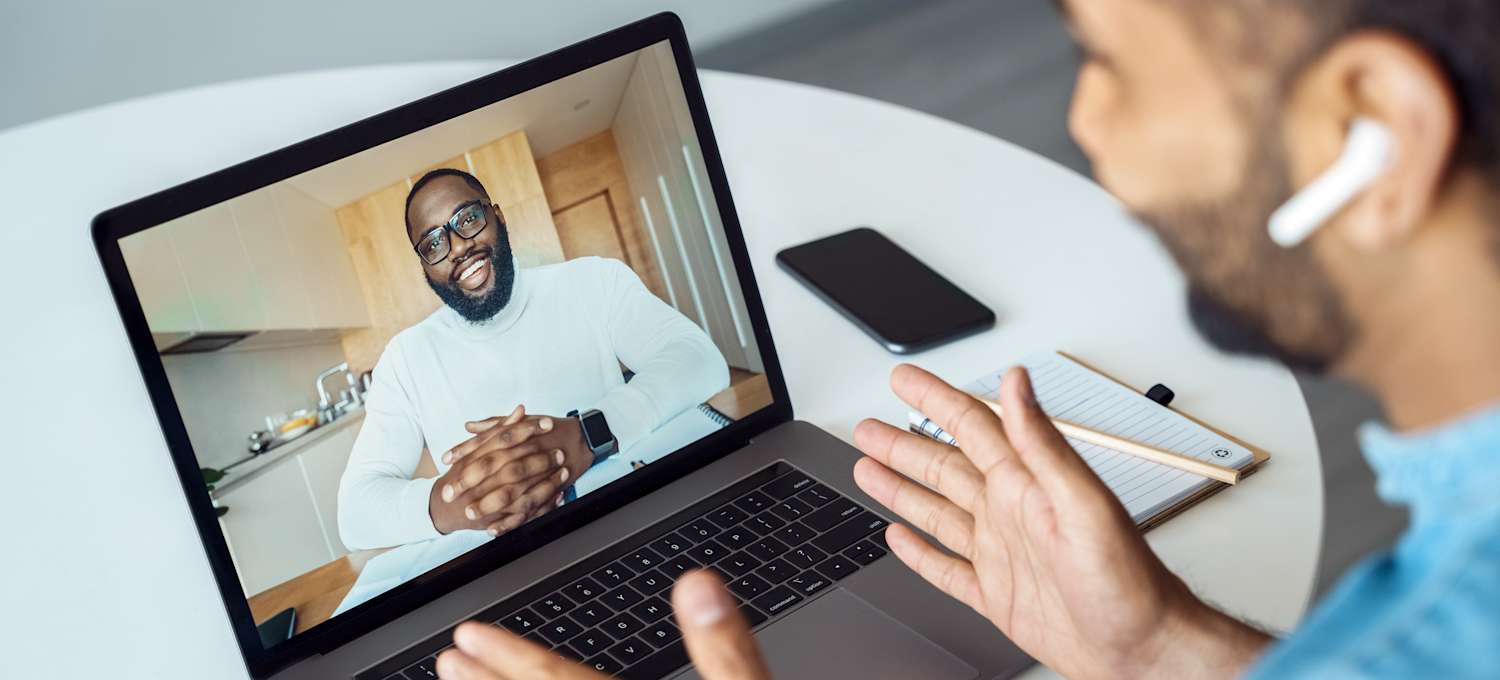
Working from home has become more than a trend; it is now a viable career path for many professionals. Among the growing remote opportunities, home based sales closer jobs are becoming particularly popular. These roles allow individuals to leverage their sales skills while enjoying the flexibility of a remote workspace. A home-based sales closer is responsible for finalizing deals, handling objections, and guiding prospects toward making purchasing decisions, all without leaving their home office. Unlike traditional sales positions, these jobs rely heavily on digital communication and virtual relationship-building. They are ideal for self-motivated individuals who thrive in a structured yet flexible environment. The shift to remote work has made these positions accessible to a wider range of professionals across different industries.
Technology has played a crucial role in making home based sales closer jobs more efficient and effective. With the rise of CRM platforms, video conferencing, and automated lead management tools, sales professionals can track prospects and close deals from anywhere. Employers benefit from lower overhead costs and access to a broader talent pool, while employees enjoy reduced commuting time and more flexible schedules. The sales landscape has adapted to include not only B2B transactions but also e-commerce and service-based industries, creating more opportunities for remote closers. Remote work has also highlighted the importance of soft skills such as clear communication, empathy, and active listening, which are crucial for building trust with clients online. Many companies now provide training programs specifically designed to help remote sales professionals succeed.
The daily workflow of a home-based sales closer can vary depending on the company and industry, but certain responsibilities are universal. Closers typically start their day by reviewing leads, preparing for calls, and updating CRM systems. They engage with prospects through emails, phone calls, and video meetings to address questions and objections. Following up consistently is essential to ensure leads move smoothly through the sales funnel. Many remote sales closers also collaborate with marketing or account management teams to align messaging and strategy. A structured schedule is key to maintaining productivity, especially when balancing multiple deals. Staying organized with task management tools can make the difference between meeting and missing sales targets.
Successful home-based sales closers share a combination of technical and interpersonal skills. Understanding advanced sales techniques and objection-handling strategies is crucial. Familiarity with CRM software, email automation, and video communication tools is often required. Strong verbal and written communication skills help closers present solutions effectively. Negotiation skills allow them to secure agreements while maintaining client satisfaction. Being self-disciplined and motivated is essential since remote work offers minimal direct supervision. Continuous learning, whether through online courses or industry certifications, ensures that remote closers stay competitive in a fast-evolving market.
Having the right tools can significantly impact performance in home based sales closer jobs. Some essential tools include:
- CRM software such as Salesforce or HubSpot to manage leads and sales pipelines
- Video conferencing tools like Zoom or Microsoft Teams for client meetings
- Email tracking and automation platforms for timely follow-ups
- Project management apps such as Trello or Asana to stay organized
- High-quality headset and webcam to ensure professional communication
A functional home office setup is equally important. A dedicated workspace, ergonomic chair, and reliable internet connection can improve productivity and reduce fatigue. Additionally, using digital calendars and reminders helps prevent missed opportunities and deadlines. Investing in these tools can significantly increase efficiency and effectiveness in closing deals remotely.
Finding home based sales closer jobs requires a strategic approach. Many job boards specialize in remote work, including platforms like FlexJobs, Remote.co, and Indeed. Networking remains a powerful tool, as referrals often lead to high-quality opportunities. Tailoring your resume and LinkedIn profile to highlight remote sales experience can make a significant difference. Joining online sales communities or attending virtual networking events can also connect you with potential employers. Some industries, like SaaS and e-commerce, have a higher demand for remote closers, so targeting these sectors can increase your chances of finding a suitable position. Patience and persistence are important since competition for high-paying remote sales roles can be strong.
Compensation in home-based sales closer positions varies widely based on experience, industry, and company. Many roles offer a combination of base salary and commission, providing the opportunity for high earnings based on performance. Bonuses may be awarded for exceeding targets or closing high-value deals. Additional benefits often include flexible working hours, paid time off, and access to training programs. The potential for growth is also substantial, with opportunities to advance into sales management or account executive roles. Remote work reduces commuting costs and provides flexibility, allowing closers to optimize their work-life balance. Understanding the compensation structure before accepting a role ensures that expectations align with potential earnings.
Like any job, working as a home-based sales closer comes with challenges. Maintaining motivation and focus without in-person supervision can be difficult. Remote closers may struggle with isolation or lack of immediate feedback. Building trust with clients through virtual communication requires strong interpersonal skills and consistency. Managing work-life boundaries is essential to prevent burnout, especially when working from a home environment with potential distractions. Technical difficulties, such as software glitches or internet outages, can disrupt workflow. Adapting to these challenges is part of the role, and effective time management and problem-solving skills can help mitigate these issues.
To excel in home based sales closer jobs, consider adopting best practices that enhance performance. Setting daily and weekly goals keeps focus sharp and progress measurable. Maintaining a professional online presence through social media and email can improve credibility with clients. Developing a systematic follow-up routine ensures that no leads are neglected. Actively listening and responding to client concerns helps build trust and rapport. Continuous skill development, including attending sales webinars or learning new software tools, keeps closers competitive. Tracking key performance indicators allows for data-driven decision-making and improvement. Balancing work responsibilities with personal well-being ensures long-term success in remote sales careers.
Frequently Asked Questions (FAQ)
What is the average income of a home based sales closer?
Income varies, but many positions offer a base salary of $40,000 to $60,000 plus commission, with top performers earning six figures.
Do I need prior sales experience to work remotely as a closer?
While some companies accept beginners with strong communication skills, most high-paying roles require previous sales or closing experience.
Can home based sales closers work part-time?
Yes, some companies offer part-time remote sales positions, although full-time roles often provide higher earnings potential.
What industries hire the most remote sales closers?
Software as a Service (SaaS), e-commerce, digital marketing, and financial services are common industries for remote sales closers.
How do I handle difficult clients from home?
Active listening, empathy, and clear communication are key strategies. Using video calls and detailed follow-ups can help maintain a professional relationship.
Takeaway
Home based sales closer jobs offer a flexible, high-earning career path for motivated professionals. Success in these roles requires a combination of sales skills, technology proficiency, and self-discipline. By leveraging the right tools, setting structured goals, and continuously improving sales techniques, remote closers can thrive in a competitive environment. The demand for remote sales talent is growing, creating opportunities for both experienced professionals and newcomers. With the right preparation and mindset, a home-based sales closer position can provide both financial rewards and the freedom of remote work.