


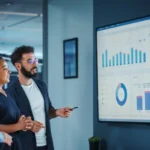







Remote sales closers have become a critical part of the modern sales landscape. These professionals specialize in converting leads into paying customers from any location, allowing businesses to scale without the limitations of a physical office. Unlike traditional sales representatives who rely heavily on face-to-face interactions, remote sales closers leverage digital tools and communication platforms to build trust and close deals. Their role is more than just talking to prospects; it involves understanding buyer psychology, managing complex sales processes, and ensuring that every interaction moves the deal forward. Companies of all sizes are recognizing the value of these skilled closers because they can increase revenue while keeping overhead costs low. The flexibility offered by remote sales closers also appeals to clients who prefer virtual meetings over in-person visits. This adaptability makes remote sales closers essential in industries ranging from software and technology to high-ticket B2B products.
The demand for remote sales closers has skyrocketed in recent years. The shift toward digital business operations, accelerated by global events, has created an environment where remote selling is not only possible but often preferred. Businesses can now hire top talent from anywhere in the world, accessing professionals who may have specialized skills unavailable locally. This global reach allows companies to tap into new markets without the expense of physical expansion. For businesses, the benefits include faster deal closures, improved client engagement, and the ability to maintain a highly flexible sales team. Remote sales closers also contribute to long-term business growth by providing consistent performance metrics that can be tracked and optimized over time. The flexibility and efficiency of remote sales make them a strategic advantage for organizations looking to stay competitive in today’s fast-paced market.
Effective remote sales closers possess a unique set of skills that distinguish them from traditional sales personnel. Exceptional communication is paramount, as every interaction occurs virtually and requires clarity and confidence. They are highly persuasive, capable of building rapport through digital channels while addressing objections seamlessly. Technology proficiency is another critical skill, as remote sales closers must navigate CRM systems, video conferencing tools, and sales automation platforms with ease. Emotional intelligence enables them to read client cues and respond appropriately, even without physical presence. Time management and self-motivation are crucial because remote closers work independently and are responsible for managing their schedules and productivity. Additionally, they are adaptable, quickly adjusting their strategies based on client responses and evolving market trends. These combined skills allow remote sales closers to consistently exceed sales targets while maintaining strong client relationships.
Leveraging the right tools and technology is key to maximizing the performance of remote sales closers. Video conferencing platforms like Zoom, Microsoft Teams, and Google Meet enable face-to-face communication, helping build trust and credibility with clients. CRM software, including HubSpot, Salesforce, and Pipedrive, allows closers to track leads, manage follow-ups, and maintain organized records of every interaction. Sales automation tools reduce repetitive tasks, enabling professionals to focus on high-value activities like negotiating and closing deals. Analytics and AI-powered tools provide insights into client behavior, helping remote sales closers refine their pitch and improve conversion rates. Cloud-based collaboration platforms ensure that remote teams remain aligned on goals, strategies, and performance metrics. Mastering these tools is not optional but essential for staying competitive and achieving consistent results in a virtual selling environment.
Successful strategies for remote sales closers involve more than just following a script. Personalizing communication is vital, as clients respond better when messages are tailored to their specific needs and pain points. Building rapport virtually requires attentiveness, active listening, and timely responses that demonstrate genuine interest in the client’s business. Structured sales processes help ensure that no step is missed, from lead qualification to deal closure. Effective remote closers also handle objections confidently, providing solutions and reassurance that move the conversation forward. Follow-ups are essential, and consistent engagement can turn hesitant prospects into loyal clients. Using data-driven insights to identify the most promising leads improves efficiency and reduces wasted effort. Maintaining professionalism, even in informal virtual settings, reinforces trust and strengthens relationships over time.
Hiring and managing remote sales closers requires careful planning and execution. Recruitment strategies should focus on finding individuals with proven remote work experience, strong communication skills, and a track record of achieving sales quotas. Onboarding programs must include training on company products, CRM usage, and virtual sales techniques to ensure immediate productivity. Monitoring performance involves tracking key metrics such as conversion rates, sales cycle length, and client feedback. Regular check-ins and constructive feedback sessions help maintain engagement and accountability within distributed teams. Providing opportunities for skill development, such as advanced sales training or certification courses, motivates remote closers to improve continuously. Encouraging collaboration through team meetings and virtual brainstorming sessions fosters a sense of community, even when employees are geographically dispersed. Effective management ensures that remote sales closers remain aligned with company goals while performing at their highest potential.
Remote sales closers face unique challenges that require resilience and creativity to overcome. Communication barriers can arise from time zone differences, technology glitches, or the lack of non-verbal cues. Isolation and distractions at home can impact productivity, making self-discipline critical. Managing clients across multiple time zones demands flexibility and careful scheduling. Keeping up with evolving sales technology is necessary to remain competitive and deliver value to clients. Maintaining motivation without in-person support requires mental toughness and proactive engagement strategies. Handling high-pressure negotiations virtually can be daunting, but remote closers develop techniques to stay composed and persuasive. Despite these challenges, the rewards of a successful remote sales career—flexibility, high earning potential, and professional growth—make the effort worthwhile.
The career path for remote sales closers offers significant opportunities for growth and advancement. Entry-level positions may involve lead qualification and basic outreach, while experienced closers handle complex negotiations and high-ticket deals. Professional development can include certifications, specialized training programs, and mentorship from senior sales leaders. Specialization in industries such as SaaS, B2B technology, or high-ticket services can increase earning potential and marketability. Many remote sales closers transition into sales management roles, overseeing virtual teams and developing sales strategies for larger organizations. Commission-based structures provide significant financial incentives for top performers, often exceeding traditional salary models. Continuous skill enhancement, coupled with industry experience, ensures that remote sales closers remain in high demand globally.
Key Tools and Best Practices for Remote Sales Closers
- Use CRM platforms for lead tracking and follow-ups
- Implement video conferencing for relationship building
- Leverage AI analytics to refine sales approaches
- Maintain a structured sales process to improve consistency
- Personalize client communication to build trust
- Schedule regular performance reviews for accountability
- Focus on self-motivation and time management
Frequently Asked Questions (FAQ)
- What is the difference between a remote sales closer and a traditional sales representative?
Remote sales closers work primarily online and are often independent contractors, whereas traditional sales reps typically operate from a physical office and interact in person. - How can companies ensure remote sales closers meet quotas?
Tracking metrics, providing regular feedback, and offering performance incentives help maintain accountability and motivation. - What industries are best suited for remote sales closers?
Industries like software, technology services, high-ticket B2B solutions, and subscription-based products benefit most from remote sales closers. - How can a remote sales closer improve their closing rate?
Personalized communication, timely follow-ups, leveraging analytics, and mastering virtual negotiation techniques are key strategies. - Is prior sales experience necessary to become a remote sales closer?
While experience is beneficial, strong communication skills, technology proficiency, and a willingness to learn can allow motivated individuals to succeed.
Takeaway
Remote sales closers are reshaping how businesses generate revenue in a digital-first world. Their expertise, combined with the right tools and strategies, allows companies to reach more clients, close deals faster, and grow sustainably without physical limitations. By investing in skilled closers, providing robust technology, and fostering motivation, organizations can thrive in competitive markets while offering professionals a flexible and rewarding career.