







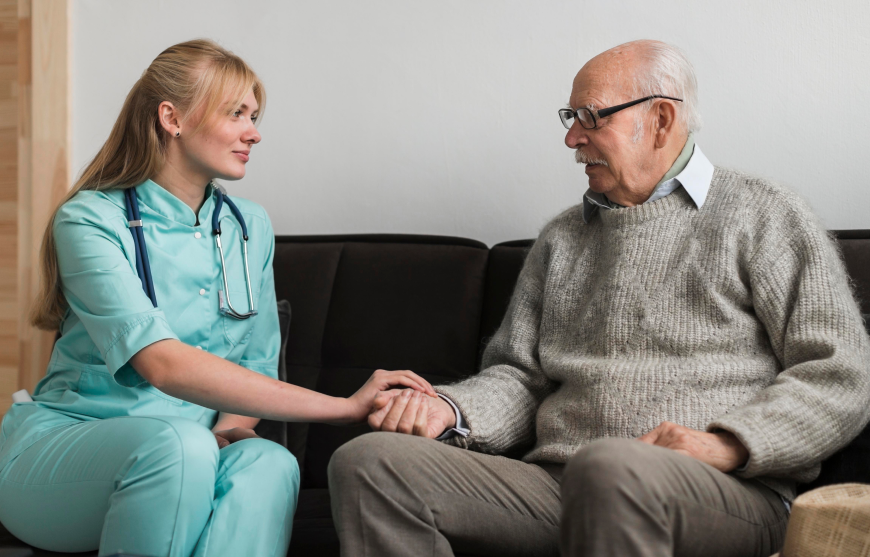
Understanding Stroke and Its Impact
A stroke occurs when the blood supply to part of the brain is interrupted or reduced, preventing brain tissue from receiving essential oxygen and nutrients. This can lead to permanent brain damage, affecting physical movement, speech, memory, and emotional wellbeing. Immediate medical attention is critical because early intervention can significantly reduce the severity of long-term effects. Strokes can be caused by blocked arteries, blood clots, or ruptured blood vessels, and risk factors include high blood pressure, smoking, diabetes, obesity, and family history. Survivors often face physical challenges such as weakness or paralysis on one side, balance issues, and difficulty performing everyday activities. Emotional and cognitive impacts, including anxiety, depression, and memory problems, are also common. Accessing professional stroke care services ensures survivors receive the right combination of medical monitoring, rehabilitation, and support for a smoother recovery journey.
Stroke Care Milton Keynes: What Makes Local Support Unique
Stroke care in Milton Keynes provides a range of services tailored to the needs of survivors, emphasizing both medical recovery and quality of life. Local healthcare providers work closely with families to create care plans that address individual requirements, from physical therapy to cognitive rehabilitation. Community programs in Milton Keynes promote social engagement, allowing stroke survivors to participate in group activities and regain confidence in their independence. Hospitals and rehabilitation centers offer multidisciplinary approaches where doctors, therapists, and nurses collaborate to ensure a seamless transition from hospital to home care. Access to specialized local care reduces travel stress and fosters consistent monitoring, which is essential for long-term recovery. The availability of home-based support services allows survivors to recover in familiar surroundings while receiving professional guidance. Families in Milton Keynes benefit from the community’s emphasis on accessibility, resources, and ongoing support networks that promote holistic recovery.
Essential Components of High-Quality Stroke Care
Personalized Assessment and Care Planning
Effective stroke care begins with a thorough assessment to understand the survivor’s specific needs. Healthcare professionals evaluate physical abilities, communication skills, cognitive function, and emotional state to design a customized care plan. Regular assessments allow care providers to monitor progress and adjust rehabilitation goals. Personalized care plans include exercise routines, therapy schedules, and safety strategies for home environments. By tailoring support to the survivor’s capabilities, care plans help maximize independence while preventing complications. Families are included in planning, ensuring everyone understands the care process and expectations. Ongoing evaluation fosters confidence in the recovery process and encourages consistent engagement with rehabilitation programs.
Rehabilitation and Therapy Services
Rehabilitation is a critical part of post-stroke recovery, helping survivors regain lost skills and improve daily functioning. Physiotherapy strengthens muscles, improves balance, and reduces the risk of falls, enabling survivors to move more confidently. Occupational therapy focuses on relearning everyday tasks such as dressing, cooking, and using household tools independently. Speech and language therapy assists those with communication difficulties, including speech, comprehension, and swallowing challenges. Cognitive rehabilitation programs address memory, attention, and problem-solving skills, which are often affected after a stroke. Therapists also provide exercises to enhance coordination and fine motor skills, supporting survivors in returning to their routines. Consistent therapy sessions improve overall quality of life and reduce long-term dependence on others.
In-Home Support Services
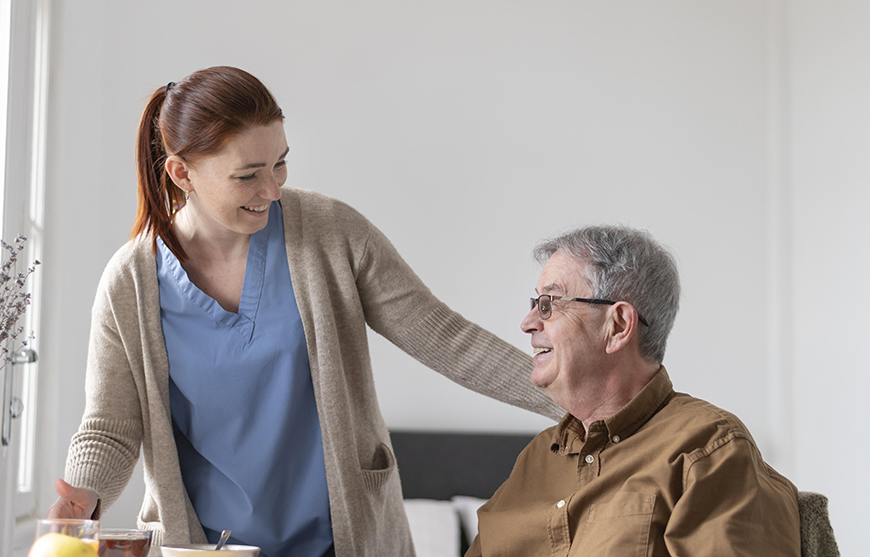
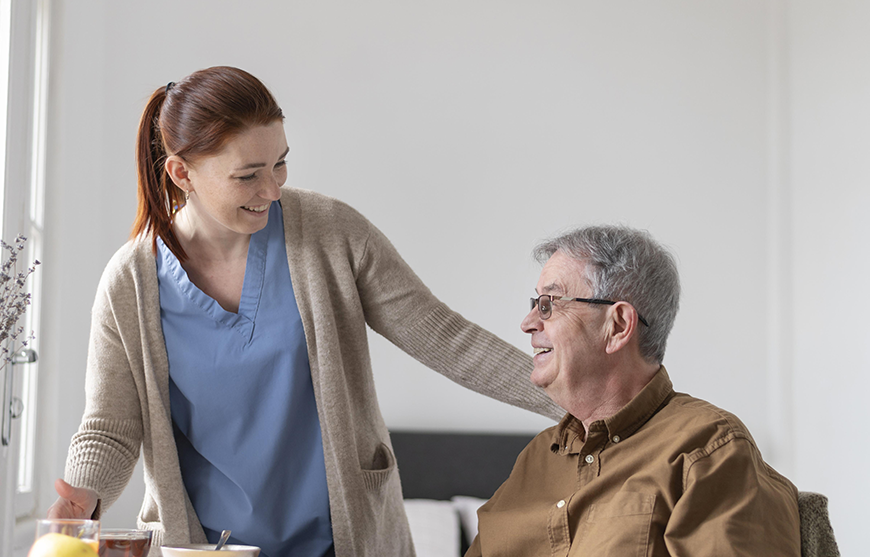
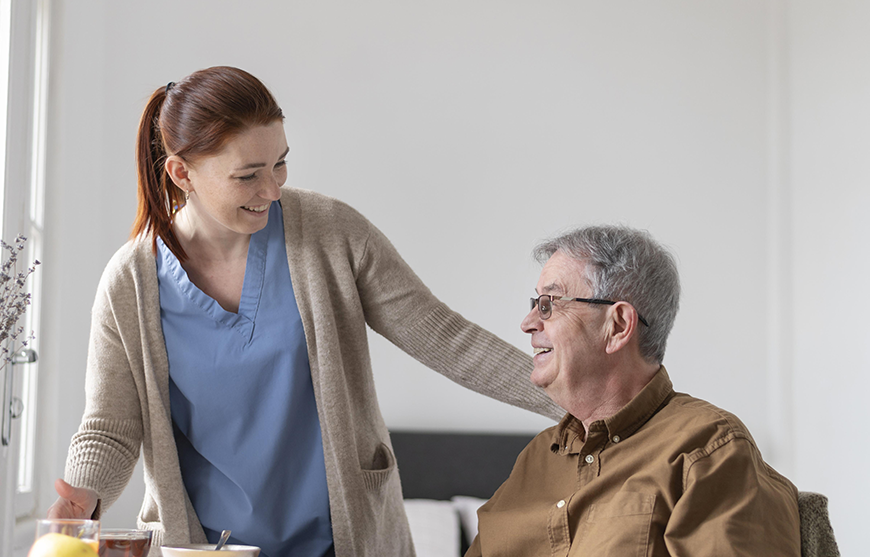
Home-based stroke care allows survivors to receive daily assistance without leaving their familiar environment. Caregivers support tasks like bathing, dressing, meal preparation, and mobility management. They also ensure medication schedules are followed correctly, reducing the risk of complications or hospital readmission. In-home support includes monitoring for changes in physical or cognitive function, providing timely interventions when needed. Mobility aids, such as walkers or wheelchairs, are often provided along with guidance on their safe use. Familiar surroundings can promote emotional comfort, making the rehabilitation process less stressful. Professional caregivers are trained to handle stroke-specific challenges, offering personalized care that adapts to the survivor’s changing needs.
Specialist Nursing and Medical Monitoring
Specialist nurses play a crucial role in post-stroke recovery by providing medical supervision and early intervention for complications. They monitor vital signs, manage chronic conditions like hypertension or diabetes, and ensure proper nutrition and hydration. Care includes attention to swallowing difficulties, pressure sores, and other post-stroke risks. Home-based nurses coordinate with doctors and therapists to ensure consistency in treatment plans. Regular check-ins allow for adjustments to medications, therapy, and care routines as needed. Their expertise provides reassurance for families, knowing their loved ones are receiving professional oversight. Early detection of any medical concerns can prevent hospital readmissions and support smoother recovery.
Enhancing Independence and Quality of Life
Adaptive Equipment and Home Modifications
Recovery is supported by using adaptive equipment designed to increase safety and independence. Common tools include mobility aids, grab bars in bathrooms, adjustable chairs, and raised toilet seats. Home modifications such as wider doorways, ramps, and reorganized living spaces reduce fall risks and improve accessibility. Assistive technologies, including voice-activated devices or communication aids, can enhance daily living and maintain social connections. These adjustments help stroke survivors complete tasks independently, reducing reliance on caregivers. Proper training ensures the survivor knows how to use equipment safely and effectively. Creating a supportive home environment boosts confidence, encouraging active participation in rehabilitation activities.
Emotional and Mental Health Support
Stroke survivors often face emotional challenges like anxiety, depression, frustration, and feelings of isolation. Counseling services and therapy sessions provide coping strategies for managing these changes. Support groups allow survivors and families to share experiences, learn from others, and gain encouragement. Engaging in hobbies, social activities, and community programs helps rebuild self-esteem and motivation. Family involvement in emotional support strengthens relationships and provides a stable support system. Regular mental health assessments can identify issues early, enabling prompt intervention. Addressing emotional wellbeing is a critical aspect of overall stroke recovery and long-term independence.
Social Engagement and Community Reintegration
Active participation in social activities helps survivors regain confidence and maintain mental and physical health. Community centers in Milton Keynes offer classes, workshops, and group events tailored for people with neurological conditions. Reintegrating into hobbies, volunteer work, and social networks promotes emotional resilience and a sense of purpose. Peer support encourages motivation, reducing feelings of isolation and dependence. Care providers collaborate with families to develop realistic goals for social reintegration. Gradual involvement in community activities ensures a balanced approach to recovery. Engaging socially also strengthens cognitive skills, providing both emotional and mental benefits.
Choosing the Right Stroke Care Provider in Milton Keynes
Qualities to Look For
Selecting a care provider requires careful consideration of experience, expertise, and reputation. Look for teams skilled in neurological care and post-stroke rehabilitation. Multidisciplinary collaboration between doctors, therapists, and nurses is a key indicator of high-quality care. Providers should communicate clearly with families about care plans and progress. Flexibility in scheduling and availability of emergency support ensures the survivor’s needs are always met. Providers should offer tailored programs rather than one-size-fits-all solutions. Transparent policies, safety protocols, and professional certifications provide added assurance.
Questions to Ask During Your Search
- What rehabilitation techniques are used, and how are they personalized?
- How is progress tracked and communicated to families?
- Are caregivers trained in stroke-specific care and emergency procedures?
- What safety measures are implemented in home care services?
- How is emotional support provided alongside physical care?
Understanding Costs and Funding Options
Stroke care costs vary depending on service type, frequency, and level of support required. Private care fees cover in-home support, therapy sessions, and specialist nursing. Local government programs, charitable organizations, and insurance plans can provide financial assistance. Long-term care planning ensures families are aware of funding options and potential expenses. Understanding costs helps families make informed decisions without compromising care quality. Transparent billing practices prevent unexpected financial burdens. Accessing resources in Milton Keynes ensures care remains affordable and sustainable.
Support for Families and Caregivers
Family involvement is essential in the recovery process, but it can also be physically and emotionally demanding. Training programs help caregivers understand stroke-specific challenges and proper techniques for safe support. Respite care provides temporary relief, allowing family members to rest and maintain their wellbeing. Guidance on managing stress, maintaining routines, and handling emergencies equips families for long-term caregiving responsibilities. Local community centers offer workshops, support groups, and counseling for caregivers. Emotional and practical support for families enhances the overall recovery environment for the stroke survivor. Open communication between families and care teams ensures coordinated efforts and improved outcomes.
Preventing Recurrent Stroke
Reducing the risk of a second stroke involves lifestyle adjustments, medical monitoring, and proactive healthcare. Maintaining a balanced diet, regular exercise, and quitting smoking are critical preventive steps. Controlling blood pressure, cholesterol, and diabetes minimizes stroke risk. Regular check-ups with doctors and specialists ensure ongoing management of health conditions. Emotional wellbeing and stress management play a role in maintaining a healthy lifestyle. Adhering to prescribed medications and rehabilitation plans strengthens overall recovery. Education on warning signs empowers survivors and families to respond quickly to potential complications.
Frequently Asked Questions
What type of care does a stroke survivor typically need at home
Stroke survivors often need assistance with daily living activities, mobility, medication management, and therapy exercises.
How long does stroke recovery usually take
Recovery varies depending on severity, individual health, and therapy engagement, with some improvements continuing for months or years.
Is 24-hour live-in stroke care available in Milton Keynes
Yes, some providers offer round-the-clock live-in care to ensure continuous support and monitoring.
What therapies are most effective after a stroke
Physiotherapy, occupational therapy, speech and language therapy, and cognitive rehabilitation are key for comprehensive recovery.
How can families support loved ones during recovery
Families can provide emotional support, encourage therapy adherence, assist with daily activities, and create a safe home environment.
What warning signs indicate the need for medical attention
Sudden weakness, speech difficulties, vision problems, severe headaches, or balance issues require immediate medical attention.
Are there local community groups specifically for stroke survivors
Yes, several organizations and community centers in Milton Keynes offer support groups, social activities, and educational resources.
Takeaway
Stroke care in Milton Keynes combines professional medical support, rehabilitation services, home-based assistance, and community engagement to enhance recovery and quality of life. Families and survivors benefit from personalized plans, multidisciplinary teams, and resources tailored to individual needs. Emotional, social, and physical support all play vital roles in helping survivors regain independence and confidence. Accessing local stroke care services ensures timely intervention, ongoing monitoring, and sustainable long-term recovery. Choosing the right provider, understanding preventive measures, and involving families in care strengthens overall outcomes. Milton Keynes offers a supportive environment where stroke survivors can recover safely, maintain independence, and reintegrate into their communities with dignity and confidence.